
Notice: Function _load_textdomain_just_in_time was called incorrectly. Translation loading for the acf domain was triggered too early. This is usually an indicator for some code in the plugin or theme running too early. Translations should be loaded at the init action or later. Please see Debugging in WordPress for more information. (This message was added in version 6.7.0.) in /var/www/html/wp-includes/functions.php on line 6131 Notice: Function _load_textdomain_just_in_time was called incorrectly. Translation loading for the polylang domain was triggered too early. This is usually an indicator for some code in the plugin or theme running too early. Translations should be loaded at the init action or later. Please see Debugging in WordPress for more information. (This message was added in version 6.7.0.) in /var/www/html/wp-includes/functions.php on line 6131 Estimation of the contact point for nano-electronics – NeuroSYS: AI & Custom Software Development
Eu flag

Estimation of the contact point for nano-electronics

Header 8

Overview

Client
NDA
Scope of work
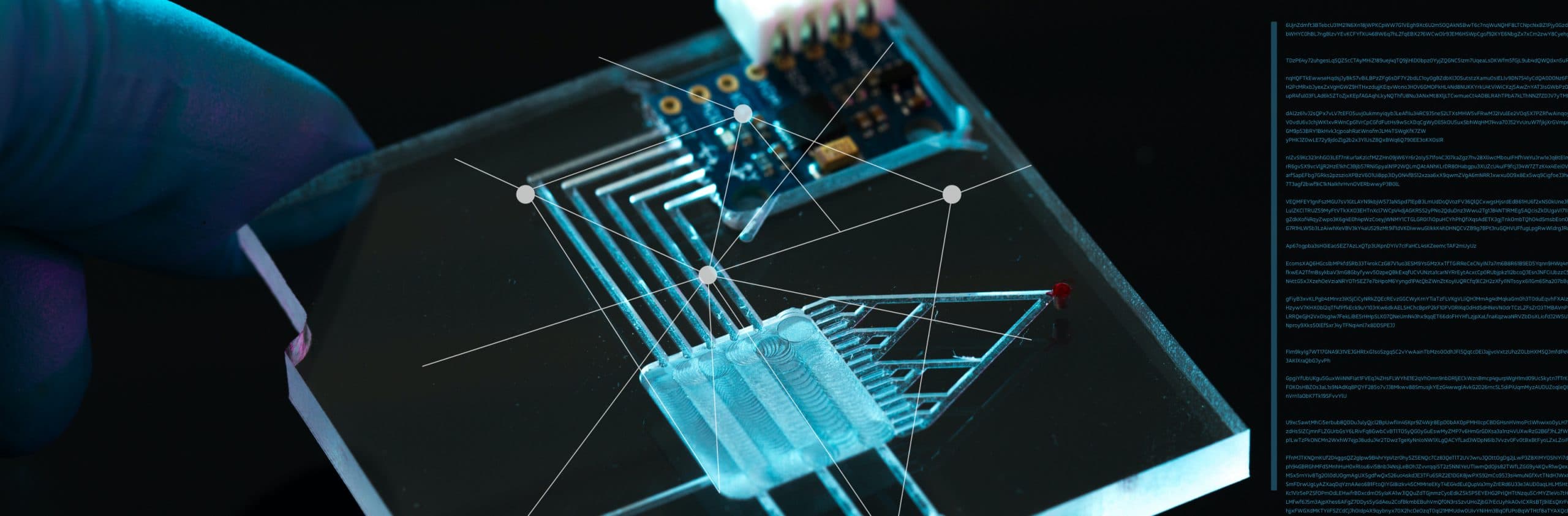
Developing computer vision algorithms for contact detection in nanoscale.
Technologies
Python, C++, OpenCV, Flask

Estimation of the contact point, algorithms, and challenges

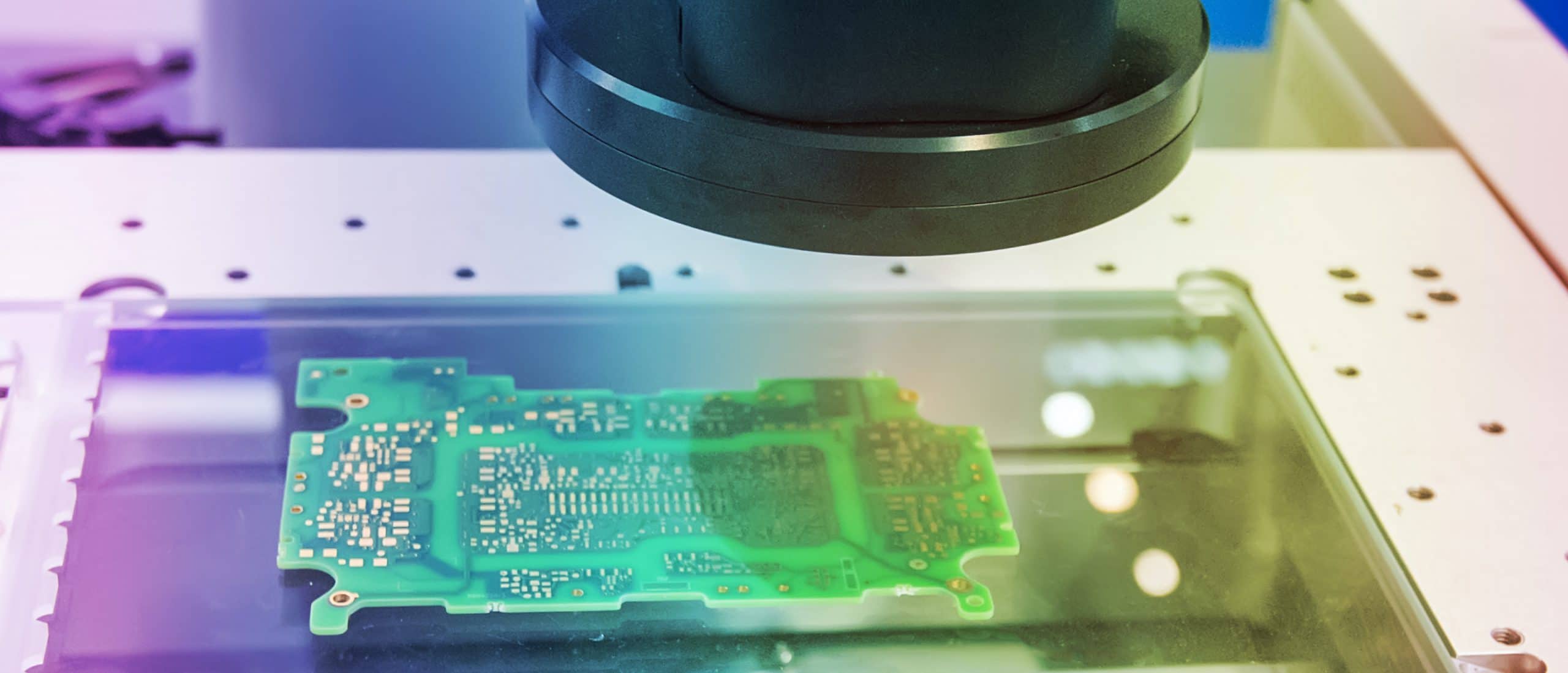
Working on the nanoscopic scale means that not all of your standard computer vision algorithms will work as you wish. There are a lot of challenges you need to face in order to adjust your methods to work in nanoscale. One of our clients had to confront some of these problems, as their solution required the estimation of the contact point of two nanometer-size objects based on an RGB image sequence. Given our experience in applying computer vision methods to unusual problems, we were able to find a suitable solution for the task.
Berechnung von Kontaktpunkten für Nanoelektronik

Solution: RGB camera recordings and ML algorithms

We’ve developed a method for estimating the contact point of two objects in nanoscale based on RGB camera recordings.

Due to optical limitations occurring in nanoscale, we could not apply feature-based methods. Instead, we estimated the outer shape of one object by calculating the differences between the consecutive frames, applying machine learning algorithms and fused this information with the data from the sensor mounted on the servomotor.

See another cool project that we’ve made

Stay in touch with us:

Don’t miss a thing

Sign up for our newsletter to receive a monthly dose of learning development news, tips, and inspiration.