



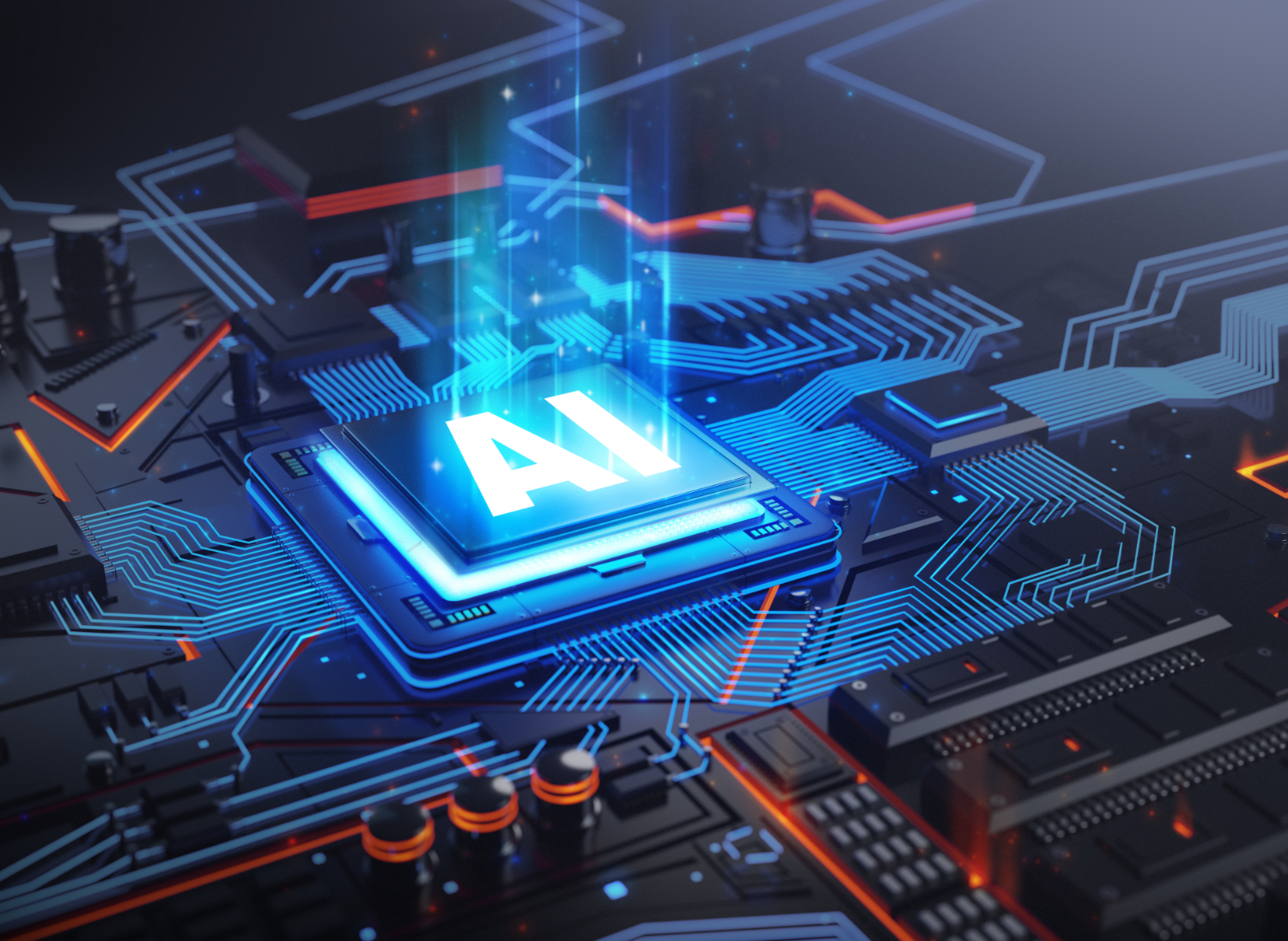
Artificial Intelligence will have a revolutionary impact on the business world in the coming years. It will automate complex processes, improve decision-making, and play a major role in new product and service development.
Until now, the legal challenges of AI technology have been limited to GDPR, but this is expected to change soon with the EU's AI Act. All startups that use AI technology, either in their core product or as a complementary tool, will have to comply with new legislation. If you aren’t prepared for the new reality, you might risk a costly technical debt.











Bendiksen heads Brækhus' department for Technology, Industry, and Trade. He has broad international experience, particularly in technology transfer, licensing, and competition law issues related to technology and data.
Christian is among the leading experts in the fields of artificial intelligence, big data streams, neural networks, and IoT, and regularly gives lectures on these topics.

Harbo leads Neurosys' business development and sales operations in digitalization. He has extensive experience with startups utilizing new technologies such as AR, VR, and AI.
Bastian's strengths include concept development and commercial validation.


AI compliance ensures that your use of Artificial Intelligence is in line with relevant laws, regulations, and ethical guidelines. This can cover everything from data privacy and copyrights to fairness in decision-making.
AI compliance is essential for avoiding legal and reputational risks associated with AI misuse. It also builds trust with your customers and stakeholders, showing you're committed to using AI responsibly.
The EU's AI Act is expected to introduce new rules and regulations for AI technology. Depending on your specific use of AI, this could have various impacts on your business, from how you handle data to the types of AI systems you can use.
We offer a range of services to support AI compliance, including AI concept validation and assessment, legal/GDPR assessment, technical validation, AI training validation, GDPR & AI Act evaluation, and more.